
 Hover to Zoom
Hover to Zoom
Hover to Zoom
Triethylene Glycol (TEG) is a colorless, odorless, hygroscopic liquid with excellent solvency and low volatility. It is widely used in natural gas dehydration, plasticizers, solvents, resins, coatings, inks, and chemical manufacturing. TEG is valued for its high boiling point, water absorption, thermal stability, and compatibility with various industrial applications.
Triethylene Glycol (TEG)
Triethylene Glycol (TEG) is a clear, colorless, odorless, hygroscopic liquid belonging to the glycol family. It is a higher molecular weight glycol with excellent water-absorbing properties, good solvency, low volatility, and high boiling point. These properties make TEG an important industrial chemical used across several manufacturing and processing industries.
One of the most important applications of Triethylene Glycol is natural gas dehydration. TEG is commonly used to remove water vapor from natural gas streams. Its strong affinity for water allows it to absorb moisture efficiently, helping prevent corrosion, hydrate formation, and operational problems in gas-processing equipment and pipelines.
TEG is also used as a solvent and chemical intermediate in various industrial processes. Its excellent solvency makes it suitable for formulations involving resins, dyes, oils, and other chemical compounds. It can be used in the production of plasticizers, lubricants, resins, coatings, inks, and adhesives.
In the textile industry, TEG can be used in certain processing and finishing applications. It is also utilized in the production of specialty chemicals and formulations where controlled moisture absorption and solvent properties are required.
Triethylene Glycol has a high boiling point and relatively low vapor pressure, which makes it useful in applications requiring thermal stability and reduced evaporation. It is also miscible with water and many organic solvents, providing flexibility in industrial formulations.
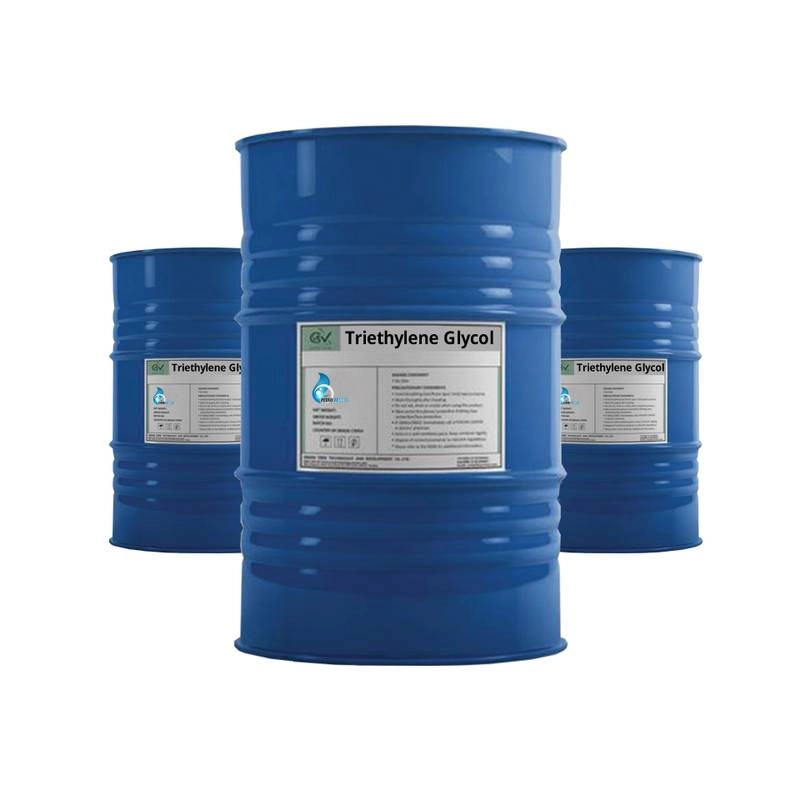
TEG is supplied in different grades depending on the intended application, including industrial and specialized grades. Product specifications may include purity, water content, color, acidity, and other quality parameters. Buyers should select the appropriate grade according to their manufacturing requirements and technical specifications.
TEG should be stored in suitable, tightly closed containers in a cool, dry, and well-ventilated area. Contact with incompatible chemicals should be avoided, and appropriate personal protective equipment should be used during handling.
Overall, Triethylene Glycol is a versatile industrial glycol valued for its hygroscopic nature, high boiling point, solvency, thermal stability, and compatibility with numerous chemical systems. Its major applications include natural gas dehydration, solvents, plasticizers, coatings, inks, resins, lubricants, textiles, and specialty chemical manufacturing.
Share your required quantity, grade, packaging and destination with our team for a quotation.