
 Hover to Zoom
Hover to Zoom
Hover to Zoom
Fatty Alcohols
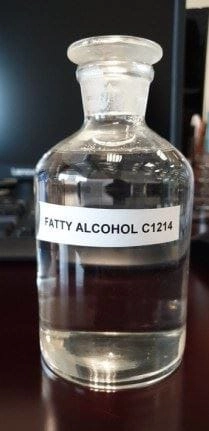
Fatty alcohols are long-chain organic alcohols derived mainly from natural oils, fats, or petrochemical sources. They are widely used in detergents, surfactants, cosmetics, personal-care products, lubricants, plastics, and industrial formulations. Common examples include Cetyl Alcohol, Stearyl Alcohol, Lauryl Alcohol, and Cetearyl Alcohol.
Fatty Alcohols
Fatty alcohols are long-chain organic compounds containing a hydroxyl (-OH) group attached to a long hydrocarbon chain. They are important specialty chemicals used as raw materials, intermediates, and functional ingredients in many industrial and consumer applications. Fatty alcohols are commonly produced from natural sources such as vegetable oils and animal fats, as well as from petrochemical feedstocks.
Fatty alcohols are generally classified according to their carbon-chain length. Common commercial grades include Lauryl Alcohol (C12), Cetyl Alcohol (C16), Stearyl Alcohol (C18), Oleyl Alcohol (C18:1), and Cetearyl Alcohol, which is a mixture of mainly cetyl and stearyl alcohols. Their properties vary according to chain length, saturation, purity, melting point, and molecular structure.
One of the largest applications of fatty alcohols is the detergent and surfactant industry. They are used as raw materials for manufacturing alcohol ethoxylates, sulfates, and other surfactants. These surfactants are widely used in laundry detergents, dishwashing products, household cleaners, industrial cleaners, and personal-care formulations.
Fatty alcohols are also important in cosmetics and personal-care products. Cetyl Alcohol and Stearyl Alcohol are commonly used as emollients, consistency agents, stabilizers, and viscosity modifiers in creams, lotions, conditioners, shampoos, and other formulations. They can help improve the texture, spreadability, and stability of cosmetic products.
In industrial applications, fatty alcohols are used in lubricants, plasticizers, coatings, polishes, inks, adhesives, and textile chemicals. They can also serve as intermediates in the production of esters, amines, ethers, and other specialty chemicals. Their chemical stability and compatibility with various formulations make them valuable ingredients for numerous manufacturing processes.
Fatty alcohols are available in different grades and specifications depending on the intended application. Important quality parameters may include purity, carbon-chain distribution, hydroxyl value, acid value, iodine value, color, moisture, and melting point. Selecting the appropriate grade is important to achieve the required performance in the final product.
Fatty alcohols should be stored in suitable, clean, dry, and well-ventilated conditions according to the supplier's technical and safety documentation. They are versatile chemical materials with applications across detergents, cosmetics, personal care, plastics, coatings, lubricants, textiles, and other industries.
Share your required quantity, grade, packaging and destination with our team for a quotation.