
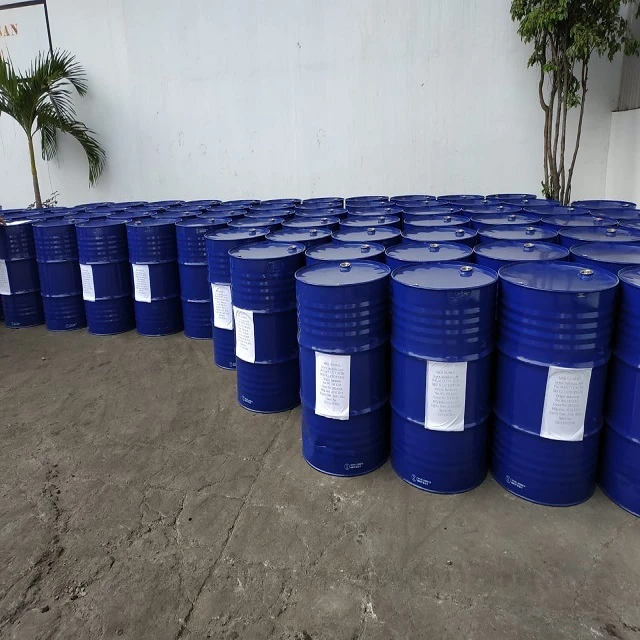
 Hover to Zoom
Hover to Zoom
Hover to Zoom
Fatty Acids
Fatty acids are long-chain organic acids derived from vegetable oils, animal fats, or petrochemical sources. They are widely used in the production of soaps, detergents, cosmetics, lubricants, paints, plastics, rubber, candles, and surfactants. Common examples include stearic acid, palmitic acid, oleic acid, and lauric acid.
Fatty Acids
Fatty acids are organic compounds consisting of a long hydrocarbon chain and a carboxylic acid group. They are important raw materials used across various industrial, commercial, and consumer applications. Fatty acids are commonly obtained from natural sources such as vegetable oils and animal fats through processes including hydrolysis, splitting, and purification. They can also be produced or modified through chemical processes to achieve specific properties and performance requirements.
Fatty acids are generally classified according to their carbon-chain length and degree of saturation. Common examples include Lauric Acid, Palmitic Acid, Stearic Acid, Oleic Acid, and Linoleic Acid. Saturated fatty acids contain no carbon-carbon double bonds, while unsaturated fatty acids contain one or more double bonds. Their physical properties, such as melting point, viscosity, color, and solubility, vary depending on molecular structure and purity.
Fatty acids are widely used in the soap and detergent industry. They react with alkalis to produce soaps and are also used as important ingredients in surfactant manufacturing. In the personal-care and cosmetic industries, fatty acids are used in creams, lotions, emulsions, shampoos, and other formulations because they can provide conditioning, consistency, and stability.
In the plastics and rubber industries, fatty acids can function as processing aids, lubricants, release agents, and additives. They are also used in the manufacture of metal soaps, which have applications in plastics, paints, coatings, lubricants, and other industrial formulations. Stearic acid, for example, is widely used as a processing and release aid.
Fatty acids are also utilized in the production of lubricants, candles, polishes, coatings, inks, adhesives, and specialty chemicals. They can serve as intermediates for producing esters, amides, amines, surfactants, and other chemical products.
The selection of a fatty acid depends on factors such as carbon-chain length, saturation level, purity, melting point, color, and application requirements. Proper storage in clean, dry, and suitable conditions is important to maintain product quality. Fatty acids are therefore versatile chemical raw materials with significant importance in manufacturing, formulation, and industrial processing.
Share your required quantity, grade, packaging and destination with our team for a quotation.